The main barriers to entry into the formal economy for the township creative economy.
Posted by Floyd Baloyi (Community Manager)  on
21 January 2026, 15:20
SAST
on
21 January 2026, 15:20
SAST

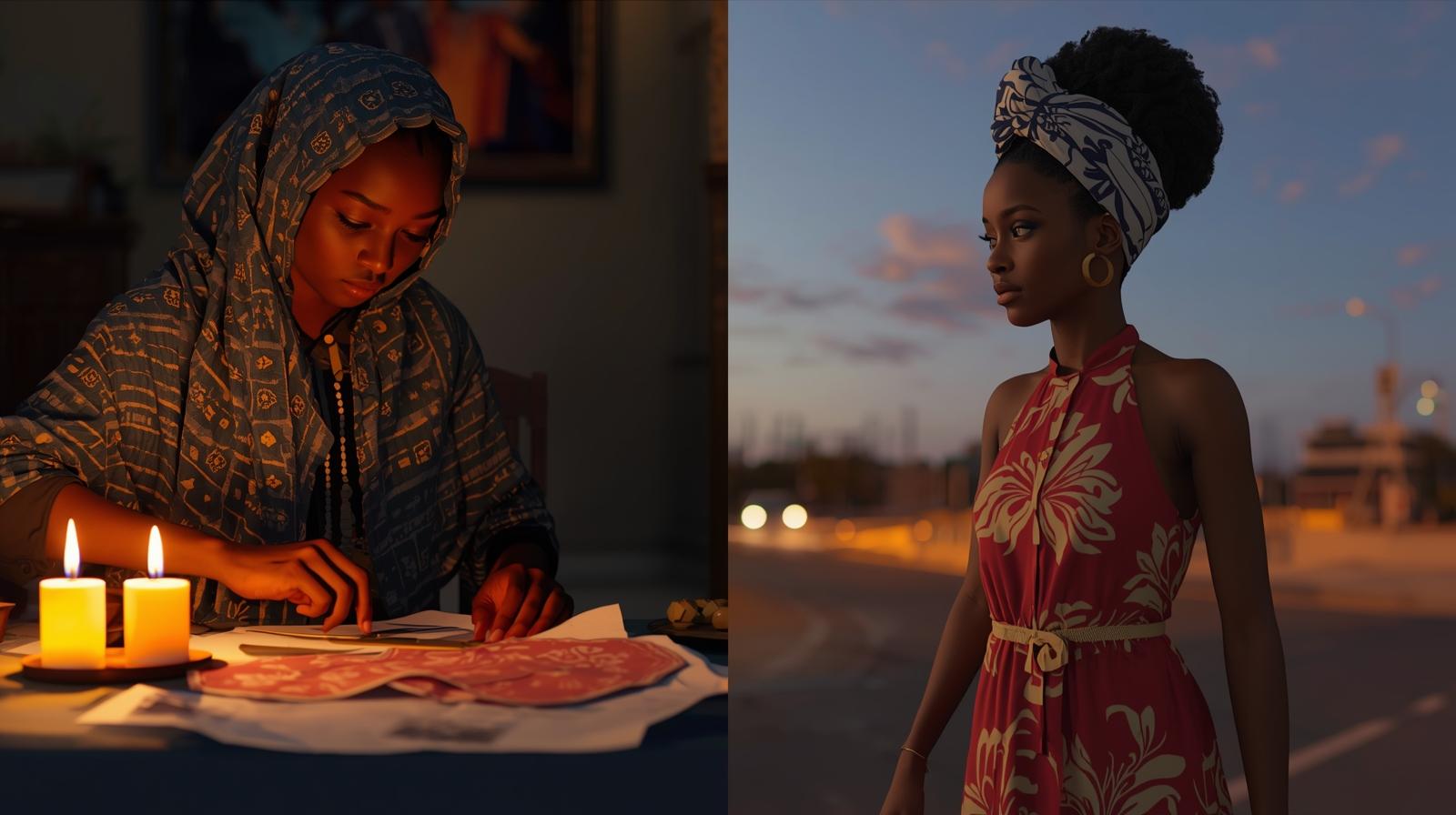
Imagine a fashion designer in Soweto who cuts patterns by candlelight during load shedding, or a graphic designer in Khayelitsha who has to travel 20 kilometers just to find a stable Wi-Fi connection to upload their portfolio.
This is the reality for thousands of brilliant minds in South Africa’s "kasi" (township) economy. The township creative sector is a sleeping giant—vibrant, resilient, and overflowing with untapped potential. Yet, despite the talent, a massive invisible wall separates these creatives from the formal economy.
Why is it so hard for a township creative to transition from a "hustle" to a formal business? Here are the primary barriers to entry that keep this economic engine idling in second gear.
1. The "Red Tape" Mismatch
The formal economy is built on paperwork: CIPC registration, tax clearance, zoning permits, and compliance certificates. For a creative operating out of a backroom or a garage, these requirements are often insurmountable.
-
Zoning Laws: most townships were designed as dormitories, not economic hubs. Residential zoning laws often make it illegal or incredibly difficult to operate a formal business from home without expensive rezoning processes.
-
Compliance Costs: The cost of compliance (accountants, registration fees) often exceeds the monthly profit of a micro-enterprise.
2. The Infrastructure Gap
You cannot compete in a global digital economy without basic infrastructure. The "digital divide" is not just a buzzword here; it is a daily operational hazard.
-
Power Stability: Creative work often requires electricity—for sewing machines, welding equipment, or high-performance computers. Unreliable power (load shedding) kills productivity and damages equipment.
-
Data Costs: South Africa has some of the highest data costs on the continent. For a videographer needing to upload 4K footage or a musician streaming their work, data costs can eat up their entire margin.
-
Workspace: There is a severe lack of affordable, safe studio spaces or "maker spaces" where creatives can work without the distractions and limitations of home.
3. The Funding "Missing Middle"
Township creatives often fall into a funding black hole. They are too "risky" for traditional bank loans because they lack collateral (like title deeds), but they often require more capital than micro-lenders can offer.
-
The Collateral Problem: Banks lend against assets. In townships, where land tenure is often informal or communal, creatives cannot use their property to secure a loan to buy a camera or a kiln.
-
Grant Dependency: Many creatives rely on erratic government arts grants, which are project-based and do not provide the operational capital needed to build a sustainable business.
4. The Intellectual Property (IP) Blind Spot
One of the biggest tragedies of the township economy is the exploitation of ideas. Without formal legal protection, township aesthetics, music, and designs are frequently co-opted by major corporate brands without credit or compensation to the originators.
-
Legal Literacy: Understanding copyright, trademarks, and royalties requires legal knowledge that isn't taught in most community arts centers.
-
Cost of Protection: Registering a trademark or fighting a copyright infringement is expensive, leaving creatives vulnerable to theft.
5. Spatial Apartheid’s Legacy
Geography remains a barrier. Townships were historically designed to be far from economic centers.
-
Market Access: A creative in a township is geographically separated from high-value corporate clients, galleries, and agencies, which are usually located in city centers (Sandton, Cape Town CBD).
-
Transport Costs: The cost and time required to travel to these hubs to network or deliver goods act as a "tax" on township businesses.