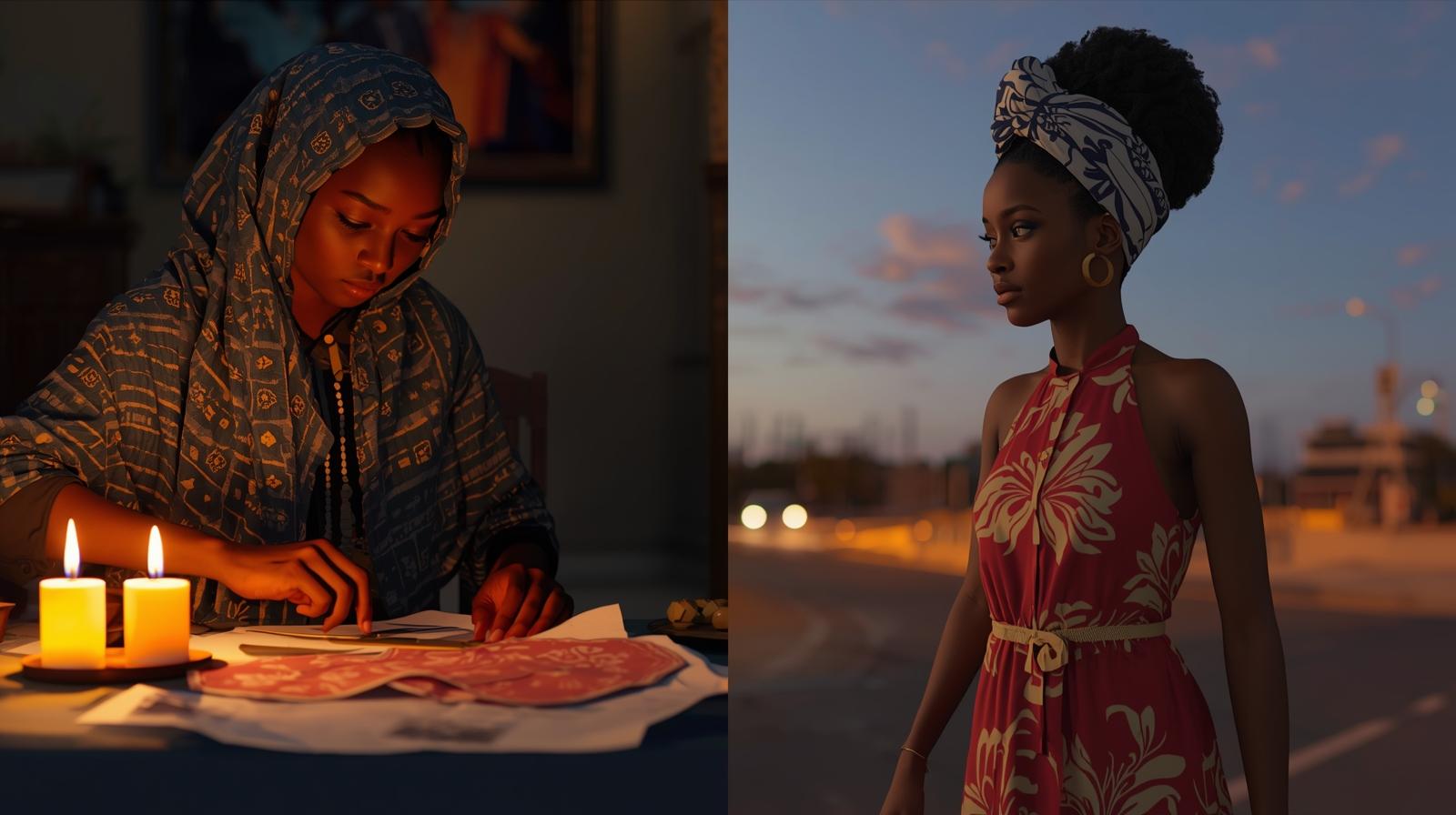
Imagine a fashion designer in Soweto who cuts patterns by candlelight during load shedding, or a graphic designer in Khayelitsha who has to travel 20 kilometers just to find a stable Wi-Fi connection to upload their portfolio.
This is the reality for thousands of brilliant minds in South Africa’s "kasi" (township) economy. The township creative sector is a sleeping giant—vibrant, resilient, and overflowing with untapped potential. Yet, despite the talent, a massive invisible wall separates these creatives from the formal economy.
Continue Reading
township economy
creative sector
sme challenges
south african business formalisation
If you walk through the streets of Soweto, Khayelitsha, or Umlazi on a Saturday afternoon, you don’t just see a residential area. You hear the deep, rattling log-drums of Amapiano shaking the windows of passing taxis. You see street fashion that rivals the runways of Milan, stitched by local designers. You smell the smoke of shisa nyama that attracts foodies from the suburbs and tourists from overseas.
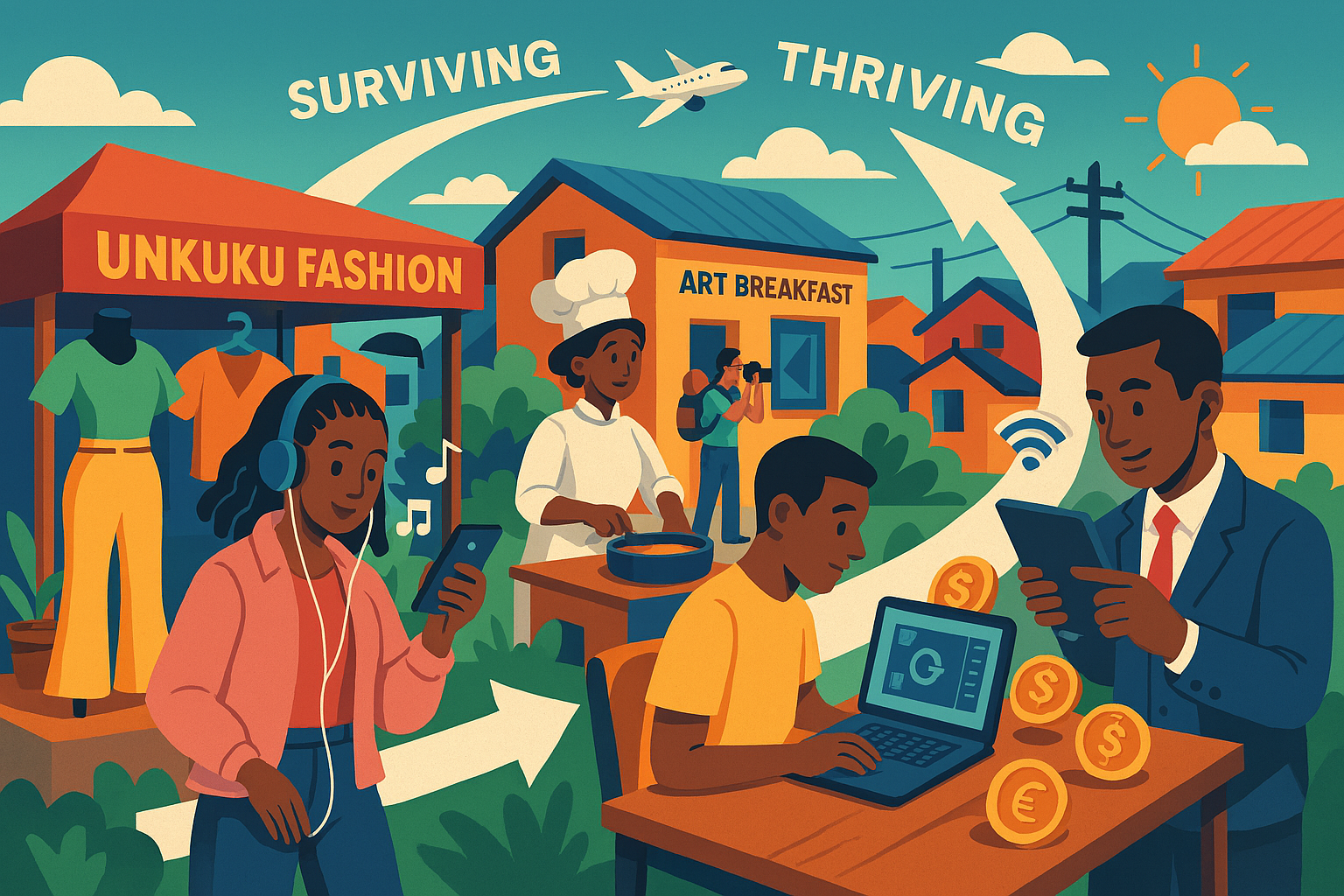
For decades, the township economy has been viewed through the lens of survival—spaza shops and informal trading designed to put bread on the table. But there is a shift happening. A new wave of "Kasi’preneurs" is turning culture into currency, proving that the Kasi Creative Economy isn't just a side hustle; it is a sleeping giant capable of driving serious economic growth.
Continue Reading
township economy
creative economy
economic growth
For decades, the narrative surrounding the "township economy" has focused heavily on retail and survivalist enterprises—spaza shops, taverns, and car washes. While these are the backbone of local commerce, they are not the ceiling.
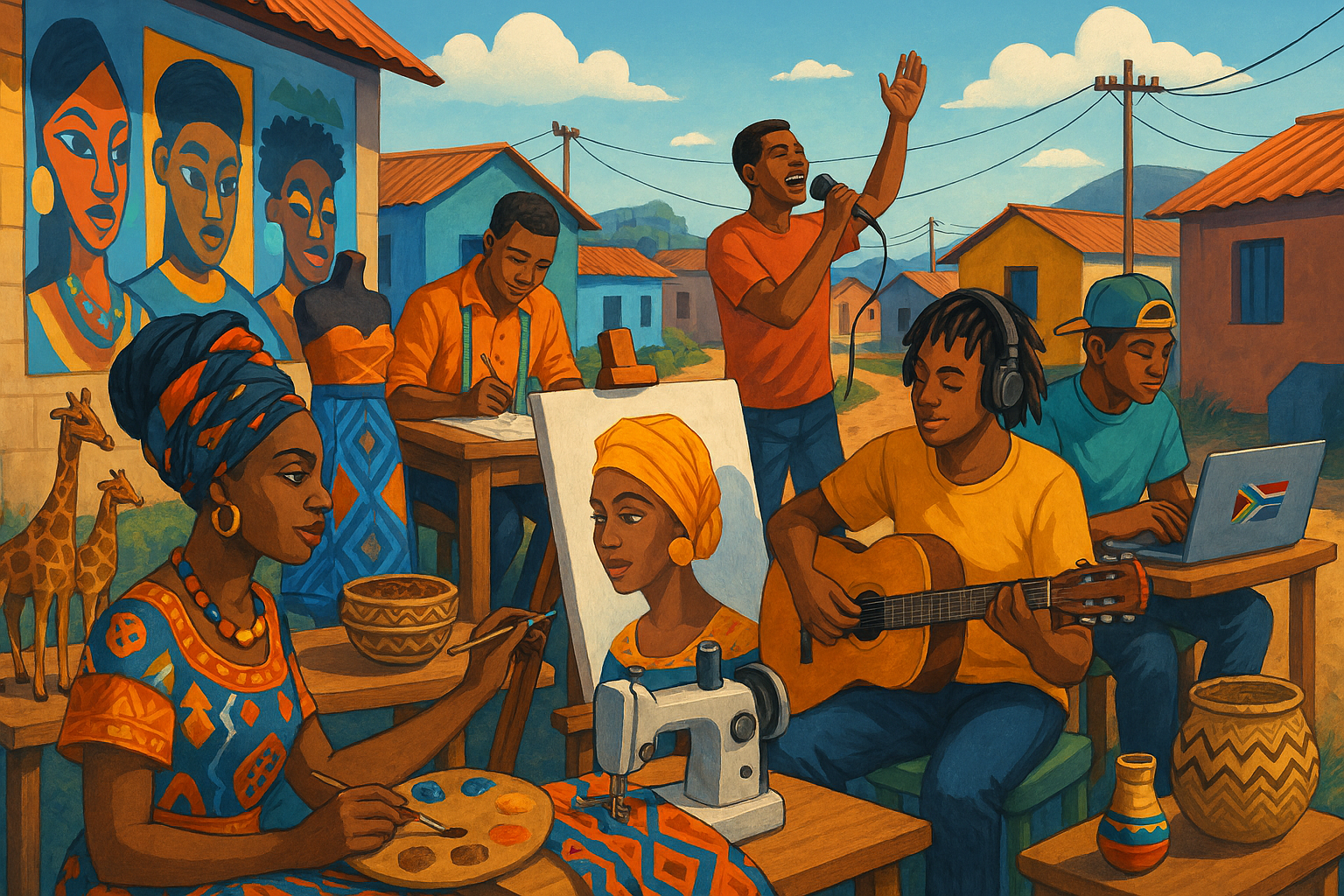
There is a seismic shift happening. Fueled by increased digital connectivity, a youthful demographic, and a distinct cultural identity that the world is hungry for, the creative economy is poised to be the next frontier of township growth. It is no longer just about buying and selling goods; it is about selling culture, innovation, and skill.
Continue Reading
township economy
creative industries
digital skills training
township innovation
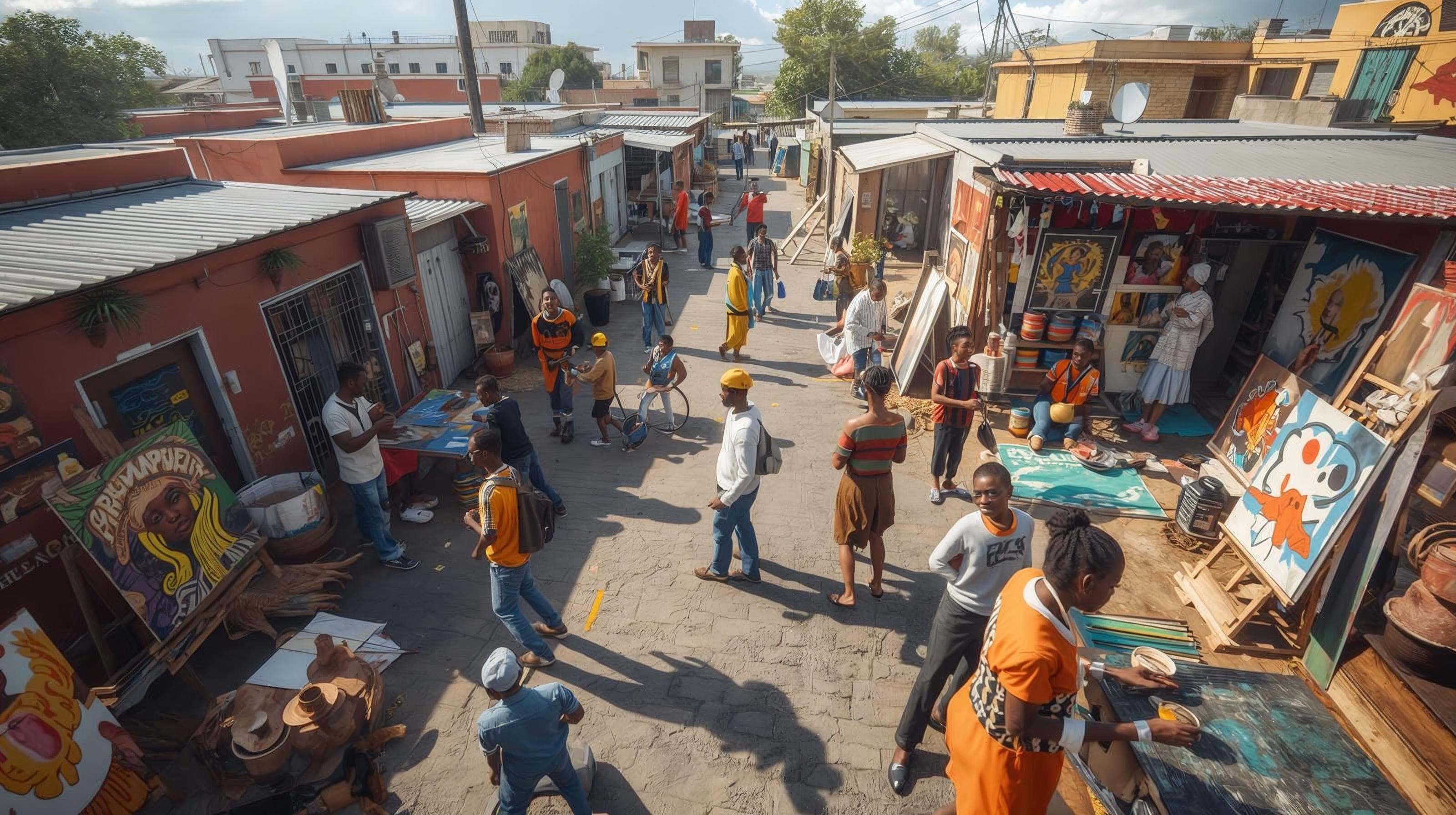
If you walk through the streets of Soweto, Khayelitsha, or Umlazi, you don't need a degree in economics to see the creativity. It’s in the amapiano tracks blasting from taxis, the disruptive streetwear brands born in backrooms, and the digital content creators turning dusty corners into viral sets.
South Africa’s "kasi" (township) economy is often touted as the country's next frontier of growth—a market estimated to be worth over R900 billion. Yet, when we drill down into the creative sector specifically—arts, film, fashion, design, and tech—we hit a hard truth: This economy is massively unrealised.
While the talent is undeniable, the transition from "hustle" to "industry" remains a bridge too far for too many. Here is why the kasi creative economy is still a sleeping giant, and what it will take to wake it up.
Continue Reading
creative economy
township economy
cultural economics
socio economic development
arts and culture
grass roots innovation
 on
21 January 2026, 15:20
SAST
on
21 January 2026, 15:20
SAST