Which are the creative sectors that could flourish in the township economy
Posted by Floyd Baloyi (Community Manager)  on
20 January 2026, 15:35
SAST
on
20 January 2026, 15:35
SAST

For decades, the narrative surrounding the "township economy" has focused heavily on retail and survivalist enterprises—spaza shops, taverns, and car washes. While these are the backbone of local commerce, they are not the ceiling.
There is a seismic shift happening. Fueled by increased digital connectivity, a youthful demographic, and a distinct cultural identity that the world is hungry for, the creative economy is poised to be the next frontier of township growth. It is no longer just about buying and selling goods; it is about selling culture, innovation, and skill.
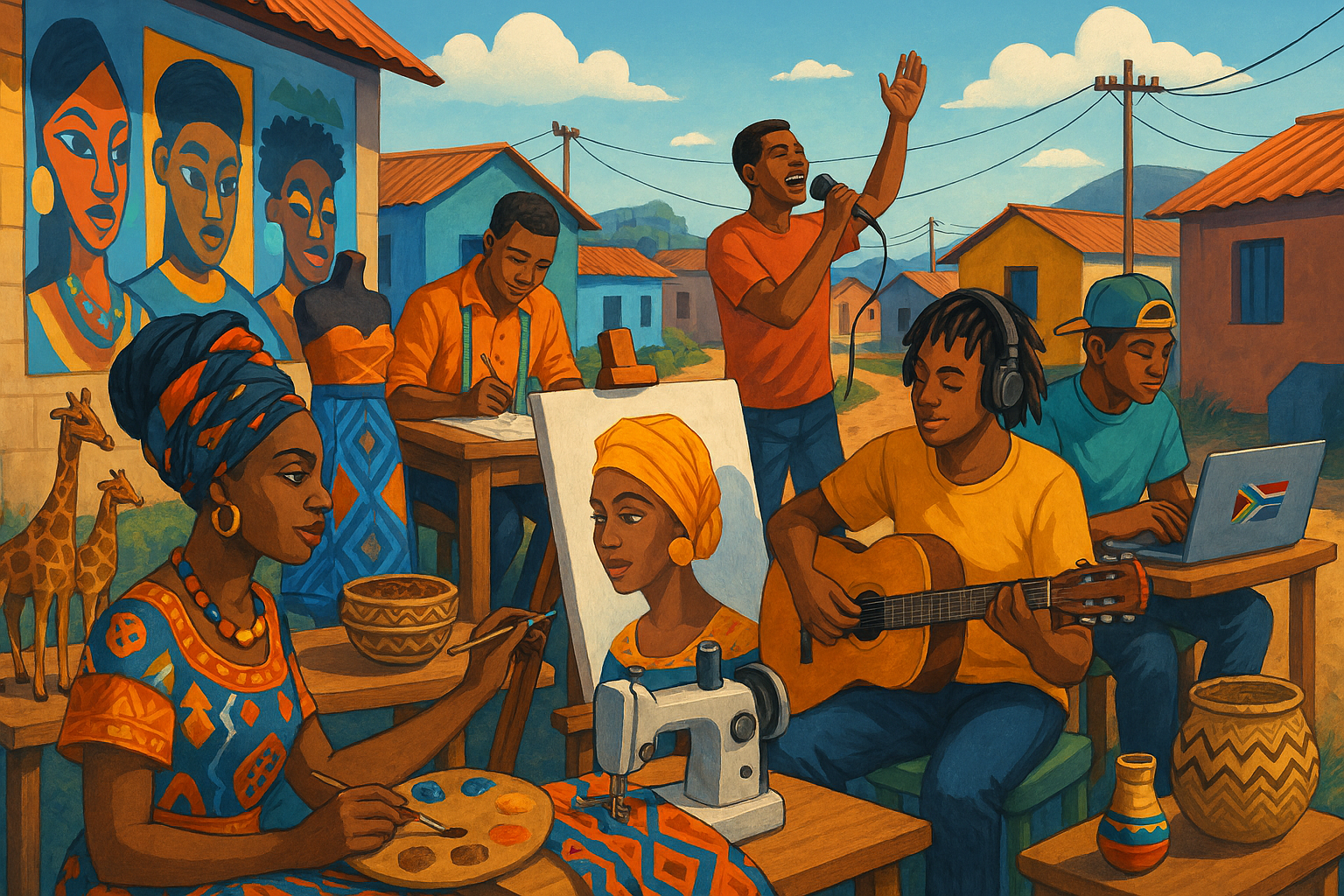
Here are the five creative sectors with the highest potential to flourish in the township economy right now.
1. High-End Streetwear and Textile Manufacturing
Township fashion has always influenced the mainstream, but the profits often left the community. Now, local designers are reclaiming the value chain. This sector is moving beyond simple T-shirt printing into full-scale "Cut, Make, and Trim" (CMT) operations.
-
The Opportunity: Establishing local micro-factories that produce high-quality streetwear, school uniforms, and corporate wear within the township.
-
Why it works: The "Made in the Township" label carries authentic street cred (cultural capital). By localizing production, entrepreneurs cut logistics costs and create immediate jobs for seamstresses and tailors.
2. Culinary Tourism and Artisanal Processing
We know the shisa nyama is legendary. However, the next wave of culinary growth is in productisation and experience. It is about taking traditional flavors and packaging them for the world, or creating dining experiences that attract tourists into the township.
-
The Opportunity:
-
Bottled Goods: Packaging local sauces, chakalaka, or craft beers for retail in major supermarkets.
-
Experience Dining: Pop-up restaurants that offer a "tasting menu" of township cuisine, moving beyond volume catering to high-margin culinary art.
-
3. The Digital Service Hub (Coding & Content)
The township youth are digital natives. With the slow but steady rollout of fiber and 5G in high-density areas, location is becoming less relevant for digital work.
-
The Opportunity:
-
Micro-Agencies: Boutique graphic design, social media management, and video editing agencies servicing clients globally, but operating from low-overhead township hubs.
-
Gaming & Esports: Internet cafes are evolving into gaming lounges where youth compete in esports, a multi-billion dollar global industry.
-
4. The Beauty and Grooming "Artistry"
In the township, a haircut is never just a haircut—it is a social event and an art form. The beauty sector is recession-proof, but the growth area lies in specialized, high-skill services rather than general washing and cutting.
-
The Opportunity:
-
Nail Tech & Makeup Artistry: These require relatively low capital outlay for equipment but high skill. They offer high profit margins and potential for scalability through training academies.
-
Product Manufacturing: Creating hair care products specifically formulated for natural African hair, tested and sold within the community before scaling out.
-
5. Event Management and Production
Townships are the heartbeat of music genres like Amapiano and Gqom. Yet, the infrastructure to host world-class events is often outsourced.
-
The Opportunity:
-
Venue Transformation: Converting underutilized spaces (community halls, rooftops) into safe, acoustically treated, high-tech event venues.
-
Technical Production: Rental companies for sound, lighting, and stage rigging owned by locals, ensuring the budget for township events stays in the township.
-
The Enablers: What is needed to make this fly?
For these creative seeds to bloom, they need fertile ground. We need to move beyond "funding" and look at ecosystem enablers:
-
Shared Workspaces: Creatives need co-working spaces with reliable generators and high-speed Wi-Fi to combat infrastructure challenges.
-
Market Access: We need digital platforms that connect township creatives directly to corporate buyers in the city, bypassing the middleman.
-
IP Protection: Educating creatives on how to copyright their music, designs, and recipes to ensure they build generational wealth.
Conclusion
The township is not a charity case; it is a laboratory of innovation. The constraints of the environment have bred a generation of problem-solvers who are inherently creative. By shifting focus to these creative sectors, we don't just create jobs—we export culture, build pride, and rewrite the economic destiny of the community.
The next global fashion giant or tech unicorn might just be starting up in a garage in Soweto, Khayelitsha, or Umlazi right now.