;)
From Outskirts to Epicentre: Why Township Supply Chains Are the Key to Economic Growth
Posted by Admin (JS) on 08 September 2025, 11:00 SAST
.png)
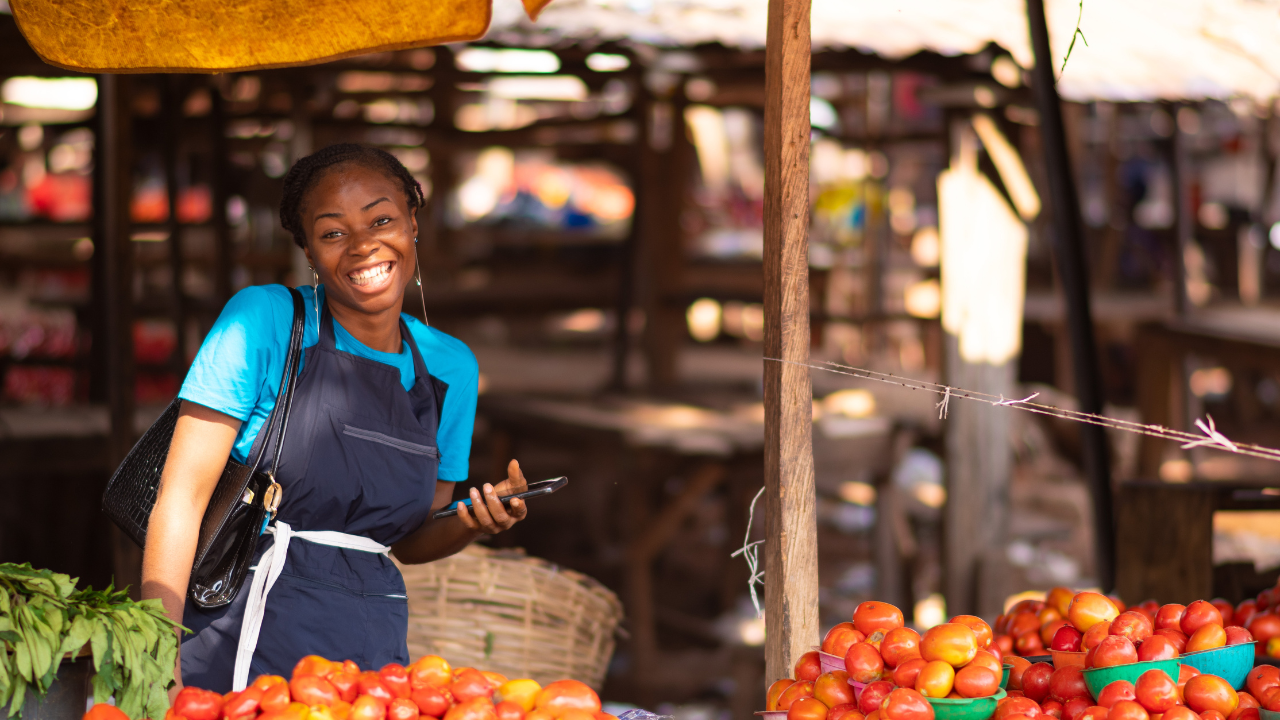 For decades, the economic narrative of South African townships has been one of dependency. Goods, resources, and capital flow out of the community to large, often distant, retail and commercial hubs, only to trickle back in as products with a hefty markup. This one-way street stifles local economic growth and leaves township residents as mere consumers rather than active participants in the economy. The informal traders at places like Bara Taxi Rank, while resourceful, are at the end of a long, expensive supply chain. To truly unlock the potential of the township economy, we must radically re-imagine this model and bring the supply chain home. Read our objectives here.
The current system is inefficient and inequitable. Small-scale traders often travel long distances to buy stock from wholesalers, losing valuable trading time and incurring significant transport costs. This forces them to operate on razor-thin margins, making it difficult to reinvest in their businesses or offer competitive prices. This outward flow of capital means that the money generated within the township quickly leaves, hindering the creation of a self-sustaining economic ecosystem.
So, how do we bring the supply chain inside the township?
First, we need to establish localized wholesale and distribution hubs. Instead of forcing traders to travel to industrial areas, let's create accessible, well-organized wholesale markets within the township itself. These hubs can serve as a central point for bulk purchasing, storage, and distribution, significantly reducing costs and logistical headaches for informal traders. Imagine a modern, bustling market where traders can source everything from fresh produce to soft drinks and household goods just a short walk or taxi ride away.
Second, we must foster local production and manufacturing. Why should the goods consumed in Soweto be produced in a different city, or even a different country? There is immense potential to build small-scale manufacturing enterprises within townships. From bakeries and garment makers to furniture workshops and food processors, these local businesses can feed directly into the township supply chain. This not only creates jobs but also ensures that the profits stay within the community, circulating and creating a multiplier effect.
Finally, we need to leverage technology and innovation. Creating a digital platform or app that connects local producers with traders and consumers can streamline the entire process. A township-based e-commerce ecosystem could allow traders to order stock online, coordinate deliveries, and even access real-time market data. This kind of technology can demystify the supply chain and give small-scale entrepreneurs the tools they need to compete effectively.
Bringing the supply chain inside the township is not just a logistical adjustment; it's a fundamental shift towards economic liberation. It is about building a circular economy where wealth is generated, retained, and reinvested locally. By empowering local producers and connecting them directly with local traders, we can transform townships from centers of consumption into engines of production, fostering genuine economic independence and prosperity.