;)
Building a Foundation: How to Support Informal Traders at Bara Taxi Rank
Posted by Admin (JS) on 08 September 2025, 10:55 SAST
.png)
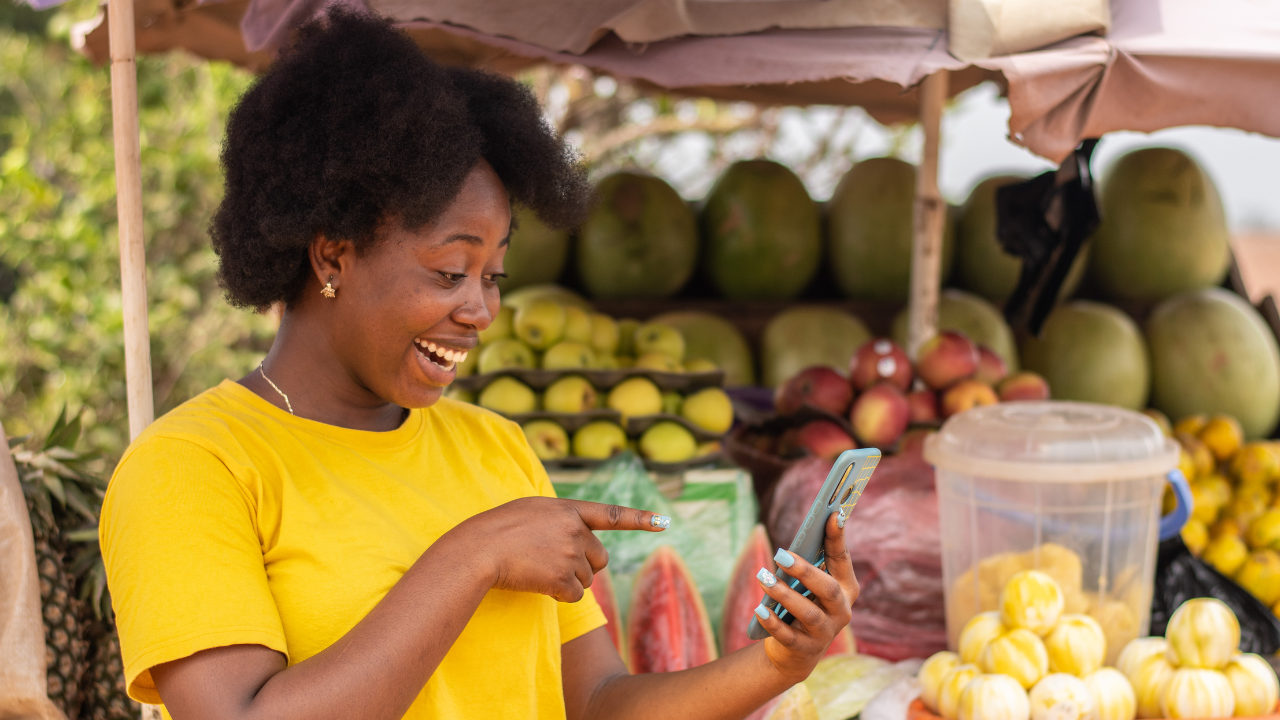 The informal economy is the heartbeat of South African townships. It’s a dynamic, resilient sector that provides a lifeline for millions, offering income and a sense of purpose in the face of high unemployment. At bustling hubs like the Bara Taxi Rank in Soweto, a complex ecosystem of informal traders thrives, serving the thousands of commuters who pass through daily. But for this vital economy to reach its full potential, it needs more than just resilience; it needs strategic, focused support.
The challenges faced by these traders are significant and interconnected. They often lack access to basic infrastructure like reliable shelter from the elements, clean water, and sanitation. Without dedicated trading spaces, they operate at the mercy of the weather and are vulnerable to harassment and the confiscation of their goods. The lack of access to formal financial services and business training further stunts their growth, making it difficult to save, invest, or scale up their operations. Furthermore, the regulatory environment is often punitive rather than empowering, with by-laws that are more focused on control than on enabling economic activity.
So, what is needed to truly support this critical sector?
Firstly, we must prioritize dignified infrastructure. This goes beyond simply providing a paved area. It means creating a well-designed, permanent trading space with adequate shelter, storage, and access to utilities. The Bara Taxi Rank precinct already has dedicated market stalls, but these need to be well-maintained and adapted to the needs of the traders. Integrating these trading zones with the flow of commuters is key to maximizing their visibility and business.
Secondly, a more enabling regulatory framework is essential. Local government needs to shift its approach from a restrictive one to a supportive one. This involves simplifying the process of obtaining permits, ensuring that by-laws are clear and fair, and, most importantly, involving traders in the decision-making process. Establishing forums where traders can voice their concerns and co-create solutions is crucial for building trust and developing effective policies.
Thirdly, providing targeted financial and business support is non-negotiable. This could take the form of micro-loans, grants for small businesses, and access to mentorship programs. Training workshops on financial literacy, inventory management, and marketing can equip traders with the skills they need to move from day-to-day survival to sustainable growth. This is about building capacity, not just providing handouts.
Finally, we need to foster a collaborative ecosystem. This means connecting informal traders with opportunities in the formal economy, such as supplier development programs with larger businesses. It also involves creating strong, well-organized trader associations that can advocate for their members' rights and needs.
Supporting the traders at Bara Taxi Rank isn't just about economic development; it's about social justice and building a more inclusive society. By addressing these foundational needs, we can help transform the informal economy from a last resort into a powerful engine of job creation, innovation, and community empowerment