;)
Title: The Rise of Cancer-Linked Chemicals in Everyday Products — Why South Africans Are Turning to Natural Beauty
Posted by Mfanafuthi MKHWANAZI on 12 March 2026, 16:40 SAST

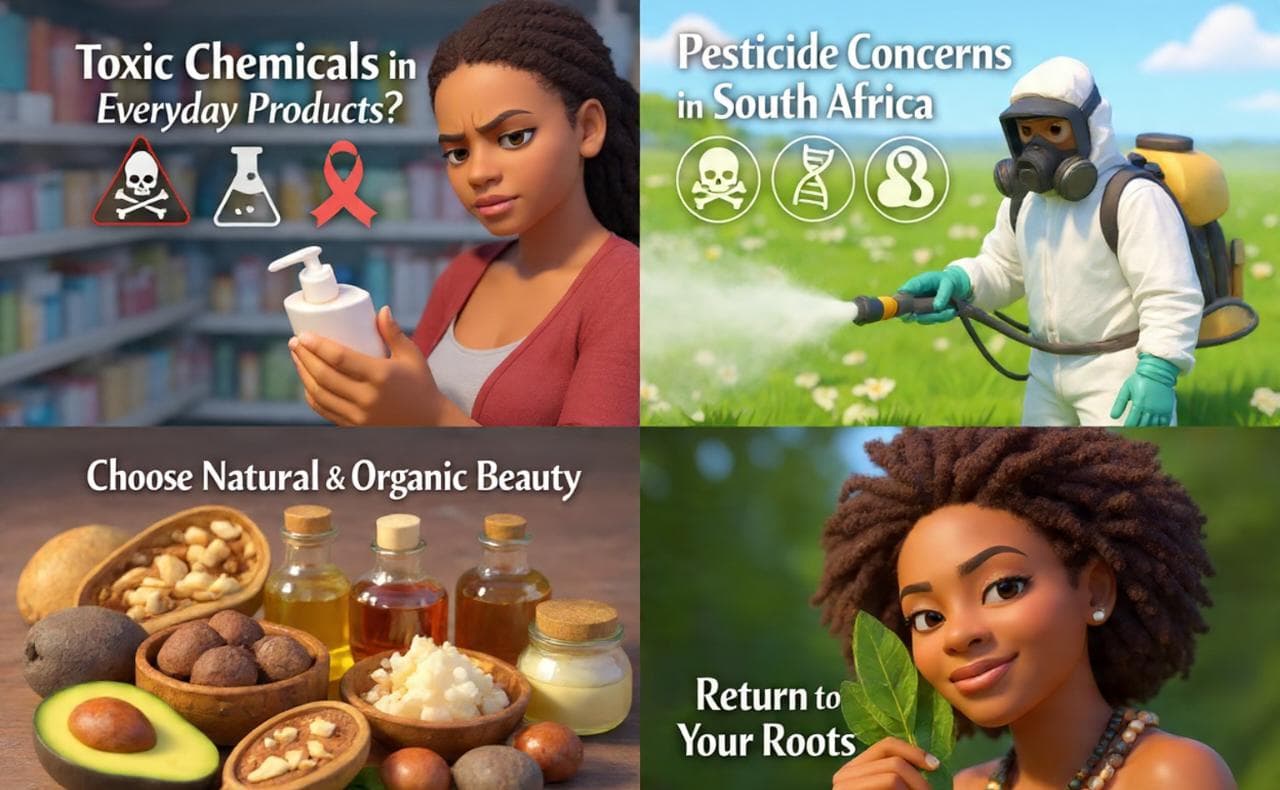 In recent years, South Africans have become more aware of the hidden chemicals in everyday products. From cosmetics and hair products to pesticides and household items, researchers and health organizations are raising concerns about substances that may increase the risk of cancer and other serious illnesses.
For many consumers, this awareness is changing the way they think about skincare, haircare, and personal health
.
A Growing Concern Around Chemical Exposure
Across the world, scientists are studying how certain chemicals used in cosmetics and personal care products may affect long-term health. Some substances commonly found in shampoos, lotions, makeup, and hair treatments have been identified as possible carcinogens — meaning they may contribute to cancer development under certain conditions.
Studies have identified several chemicals of concern in beauty products, including parabens, formaldehyde-releasing preservatives, ethoxylated compounds (PEGs), and ethanolamine derivatives. These substances are sometimes used as preservatives, stabilizers, or texture enhancers in cosmetic formulations. However, research suggests some of them may disrupt hormones or contribute to cellular damage linked to cancer.
Formaldehyde, for example, has been classified as a known human carcinogen, yet compounds that release formaldehyde are still sometimes used in cosmetic formulations to prevent microbial growth.
Hair and Beauty Products Under the Spotlight
Recent international studies have also drawn attention to chemicals used in hair products, particularly hair straighteners and relaxers. Research has suggested that frequent use of chemical hair relaxers may increase the risk of uterine cancer in some users.
At the same time, new studies examining synthetic hair and hair extensions have found that many products may contain chemicals linked to hormone disruption or potential cancer risks.
These findings are especially relevant in African communities, where chemical relaxers and synthetic braids are widely used as part of everyday hair care routines.
Environmental Chemicals Also Affect Health
The issue is not limited to beauty products. South Africa is also reviewing hundreds of pesticides that scientists say may cause cancer, birth defects, or DNA damage. Authorities have proposed removing hundreds of these substances from the market as part of public health protection efforts.
These chemicals can enter the body through food, water, air, and even skin contact, meaning exposure may come from multiple sources in daily life.
The Rise of Clean and Organic Beauty
As awareness grows, many people are looking for safer alternatives. This has fueled the rise of natural, organic, and plant-based cosmetics that avoid controversial synthetic chemicals.
Brands focused on botanical ingredients, traditional African oils, and minimally processed formulations are becoming increasingly popular among consumers who want skincare that aligns with both health and sustainability.
Natural ingredients such as shea butter, baobab oil, marula oil, avocado oil, and mango butter have been used in African beauty traditions for generations. These plant-based ingredients provide nourishment for skin and hair without the need for harsh synthetic additives.
Why Ingredient Awareness Matters
The key lesson for consumers is simple: read ingredient labels and understand what goes into the products you use every day. Organizations such as cancer research groups encourage people to be mindful of potentially harmful chemicals and choose products that prioritize safety and transparency.
By becoming informed, consumers can make better decisions for their health and their families.
A Future Rooted in Natural Beauty
The shift toward cleaner, more transparent skincare is not just a trend — it reflects a deeper cultural movement toward holistic wellness and respect for nature.
For brands like Kemetic Organic Cosmetics, this movement aligns with the philosophy that beauty should come from ingredients that nourish the body, respect the earth, and honour the wisdom of natural traditions.
As awareness about harmful chemicals continues to grow, the future of beauty in South Africa may very well return to its roots — plant-based, organic, and authentically African.