;)
The Future of Green Buildings: Energy, Sustainability, and Smart Cities
Posted by Geronimo Lebina on 09 March 2025, 09:00 SAST

As urbanization accelerates worldwide, green buildings are emerging as the cornerstone of sustainable development, revolutionizing the property industry and shaping the future of smart cities. Africa, particularly South Africa, has a unique opportunity to integrate energy efficiency and innovative design into urban planning, ensuring long-term economic and environmental benefits.
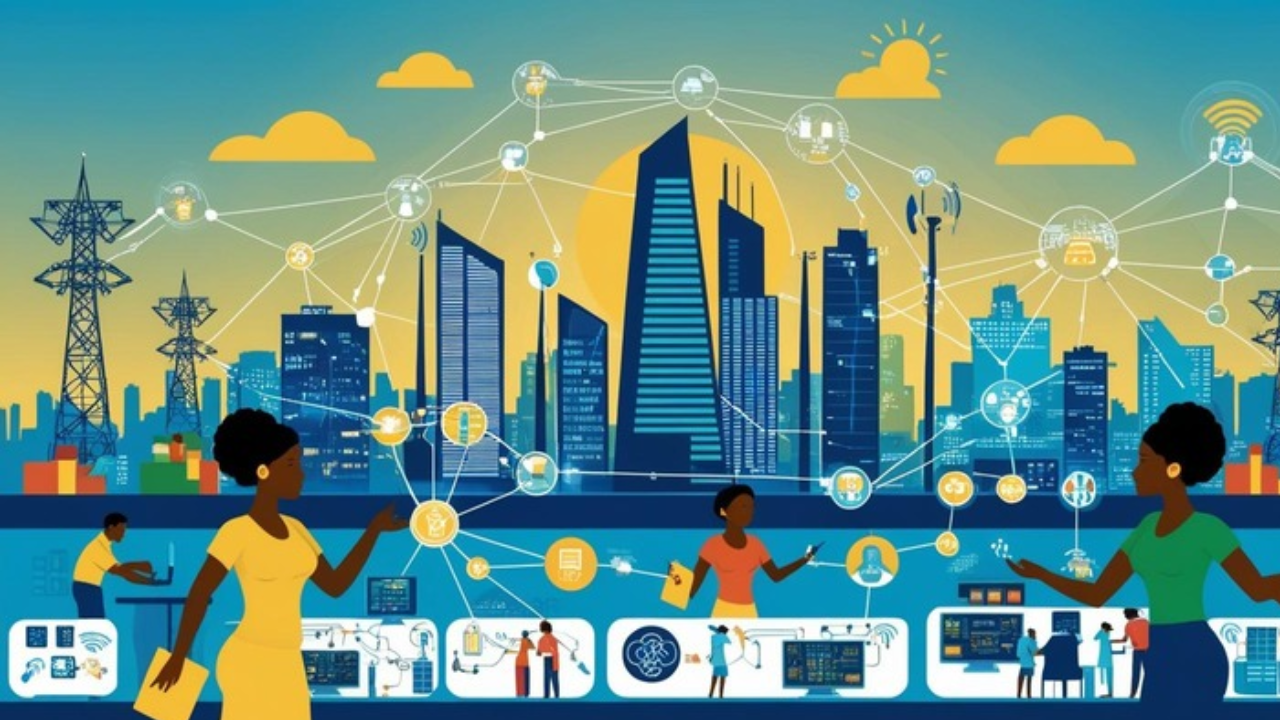
The Role of Green Buildings in a Sustainable Future
Green buildings utilize cutting-edge technology and eco-friendly materials to reduce energy consumption, minimize waste, and enhance overall efficiency. These structures align with global sustainability goals, promoting cleaner environments and healthier communities.
Key Advancements:
• Energy Efficiency Integration – Smart energy systems, including solar panels and AI-driven energy management, are reducing the reliance on fossil fuels.
• Sustainable Materials – The use of recycled and locally sourced materials is lowering the carbon footprint of construction projects.
• Water Conservation – Advanced water recycling and rainwater harvesting systems are improving sustainability in urban environments.
• Smart Technology Implementation – IoT-enabled sensors and AI-driven automation are optimizing energy use and maintenance.
Africa’s Potential in Green Infrastructure
Africa is poised to lead the green building revolution, leveraging its abundant natural resources and youthful workforce to create eco-friendly urban landscapes. Sustainable infrastructure will not only address climate change but also create new economic opportunities.
Job and Industry Growth Areas:
• Renewable Energy Technicians – The expansion of solar and wind energy will increase demand for skilled professionals in installation and maintenance. However, training and adaptation is needed for future projects creating employment and businesses, based on different types of projects not limited to solar or grid.
• Green Architecture and Engineering – The design and construction of energy-efficient buildings will require expertise in eco-friendly designs.
• Sustainable Urban Planning – Cities will need specialists in smart infrastructure, mobility solutions, and environmental resilience.
• Technology-Driven Property Management – AI, blockchain, and automation will enhance real estate efficiency and transparency.
Building Smart Cities with Green Infrastructure
For South Africa and Africa at large, embracing green urban development means rethinking infrastructure to prioritize sustainability and innovation. The key factors for success include:
• Government Incentives and Regulations – Policies promoting green construction and energy efficiency must be established and enforced.
• Public-Private Partnerships – Collaboration between businesses, governments, and communities can drive sustainable projects forward.
• Investment in Smart Grid Technology – Reliable and adaptive energy networks will support the needs of modern urban environments.
• Education and Workforce Development – Training programs must equip individuals with the skills needed to thrive in the green economy.
A Call to Action
The transition to green buildings and smart cities is not just about reducing emissions—it’s about creating a livable, prosperous future for all. African nations must commit to sustainable innovation, businesses should prioritize eco-friendly investments, and individuals must embrace the shift toward greener living.
The future of property and urbanization lies in sustainability, and Africa has the potential to lead the way in building cities that are not only smart but also truly sustainable.