;)
The R30 Billion blind spot: Why South Africa’s ESD spend isn’t delivering a national job receipt
Posted by Admin (JS) on 20 November 2026, 11:15 SAST

BY JANICE SCHECKTER, CEO, KASIKONNECT
Every year, corporate South Africa spends an estimated R20 billion to R30 billion on Enterprise and Supplier Development (ESD) under B-BBEE. It is one of the largest private-sector transformation pools in the country, designed to build black-owned enterprises, localize supply chains, and create sustainable employment.
Yet if you ask a simple question—how many permanent jobs did that R30 billion actually create last year?—there is no national answer. Researchers and policy analysts consistently note that while the spend is massive, the actual job-creation impact across the ecosystem remains uneven, fragmented, and impossible to aggregate nationally.
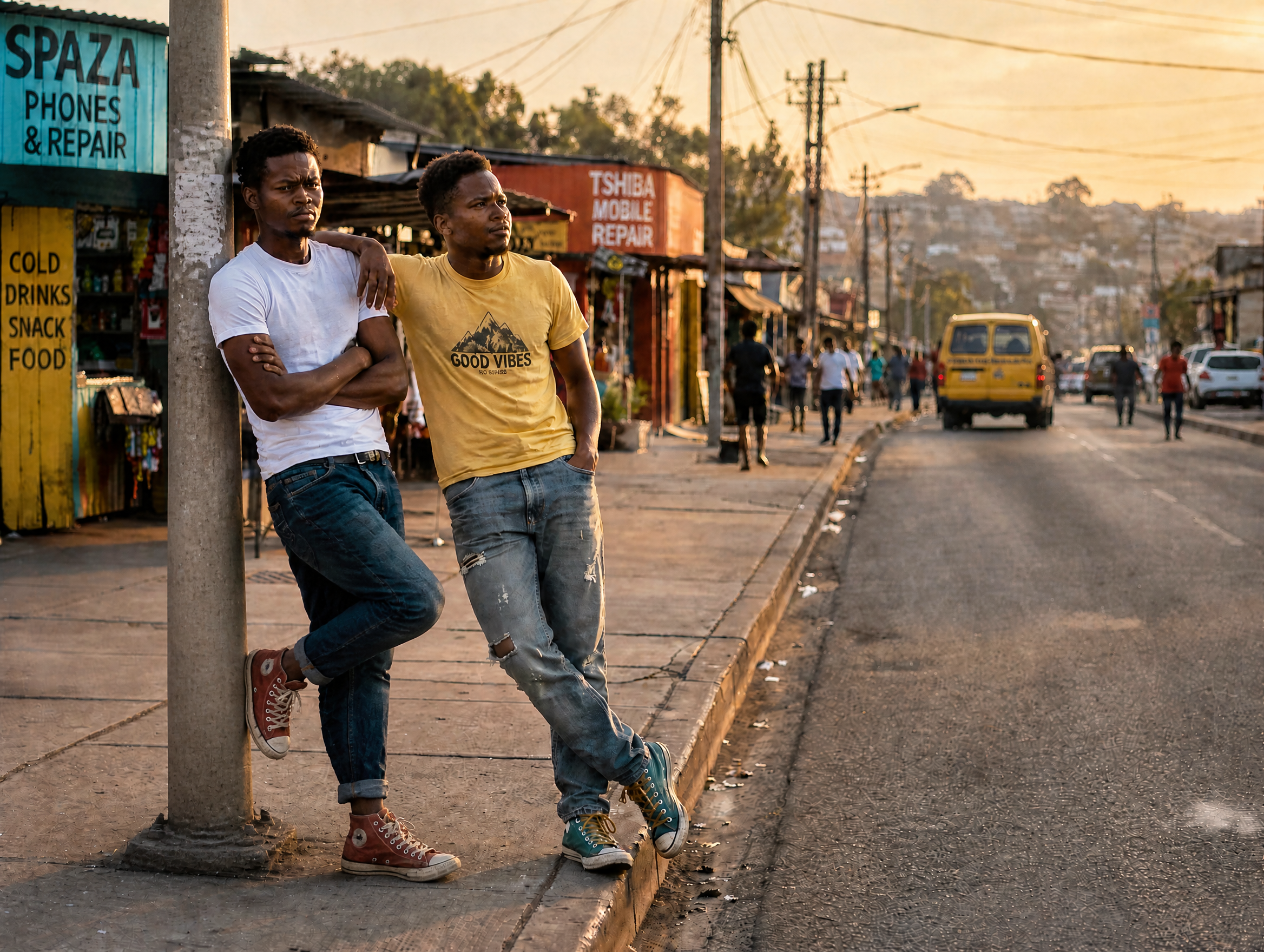
When we look at what R30 billion should produce, the gap becomes impossible to ignore.
Doing the Math on South Africa’s ESD Spend
Development finance institutions and national employment funds measure success using a straightforward metric: Cost Per Permanent Job Created. Even across vastly different sectors, the benchmarks tell a clear story:
-
At a conservative formal-sector benchmark (R150,000 per job): R30 billion should generate 200,000 permanent jobs every single year.
-
At the SA Jobs Fund blended-finance benchmark (R80,000 per job): R30 billion should generate 375,000 permanent jobs annually.
-
At direct township manufacturing CapEx (~R30,000 per job): When you fund an operating township maker who already has customer demand—where R45,000 for a commercial gas deck oven or R54,000 for industrial sewing machinery unlocks two permanent roles—R30 billion has the mathematical potential to generate up to 1,000,000 jobs.
Where Does the Money Go Instead?
If the math works on paper, why aren't we seeing hundreds of thousands of new jobs rolling out of township workshops every year?
Because a significant slice of that R30 billion never touches a factory floor. Too often, corporate ESD budgets are absorbed by intermediary retainers, generic classroom incubators, compliance workshops, and strategy decks. Impact reports measure "delegates trained" and "workshops hosted" rather than "machines installed" and "production capacity unlocked."
Training does not hire unemployed people. Productive assets do.
Moving from "Trade Not Aid" to "Trade with Trust"
At KasiKonnect, we built FundUbuntu—in partnership with SimplyBiz® powered by Nedbank—to fix this "last mile" disconnect in township financing.
Instead of treating kasipreneurs as passive recipients of training or charity, FundUbuntu anchors crowdfunding campaigns directly inside an entrepreneur’s live KasiKonnect business profile. Everyday South Africans and institutional funders can see a maker’s real track record and back the exact physical equipment they need to scale.
To replace vague compliance reporting with hard accountability, FundUbuntu enforces three non-negotiables:
-
Direct CapEx Over Consulting: Capital goes directly toward tangible growth drivers—commercial ovens, heavy-duty sewing lines, bottling machinery, and university laboratory testing for retail compliance.
-
Matched Capital & Practical Coaching: For our inaugural cohort, SimplyBiz® matches the money raised by the crowd and pairs it with personalised business coaching so makers turn community backing into lasting business assets.
-
Receipts in 30 Days ("Ubuntu Updates"): Every entrepreneur on FundUbuntu must publish visual evidence of the exact asset purchased or factory upgrade made within 30 days of receiving funds—giving DFIs, corporate CSIs, and individual backers a transparent digital audit trail.
South Africa does not suffer from a shortage of entrepreneurial grit, nor does it lack transformation capital. What we lack is a mechanism that puts money directly onto the factory floor—with receipts.
Explore our inaugural cohort of township manufacturers or back a campaign from R25 today.